RESEARCH17 March 2026 · 21:36
The Best Vibe-coded Health Setup We've Ever Seen
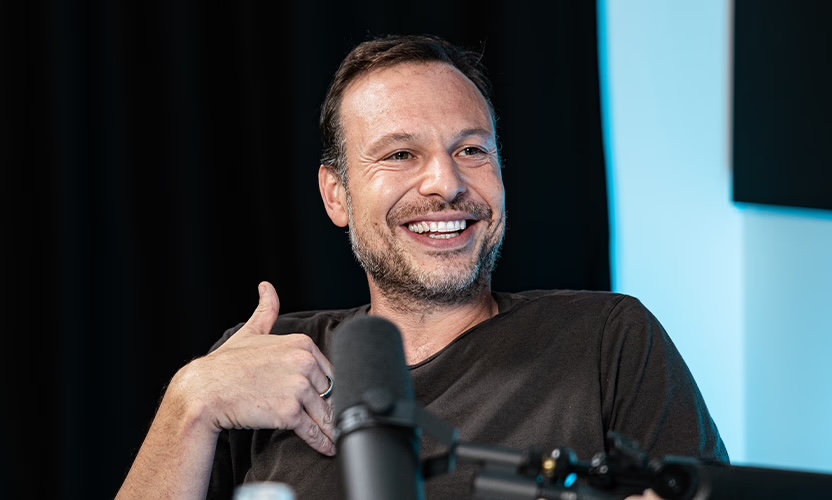
Mike Hudack
Founder & CEO, Sling Money
Show Notes
What You'll Learn
- How to build a personal health data platform using Claude Code with zero traditional coding
- Why cross-referencing multiple health data sources (DNA, blood, wearables, workouts) produces insights no single app can
- How whole genome sequencing analysis works when you feed a VCF file to AI with access to six medical databases
- A free-text food logging approach that replaces expensive nutritional database APIs
- Why conversational AI beats dashboards for personal health analysis
Timestamps
- 00:00 Introduction
- 01:30 Mike's background — Facebook VP Eng, Deliveroo CPO, Monzo CPO, now Sling Money
- 03:02 Building a food tracker in 10 minutes with OpenAI API
- 03:59 The overtraining detection — AI correlates Oura, blood tests, and workout logs
- 05:30 Whole genome sequencing analysis via Claude Code and six databases
- 08:23 "Why build a UI when you can just have a bot analyze all the data?"
- 09:46 Claude vs ChatGPT — "jumpy first-year resident vs 40-year practitioner"
- 11:00 Layering data sources: Oura Ring, Withings (13+ years), Strong app
- 13:30 The FatSecret problem — $1,500/month for UK nutritional data access
- 15:00 MCP server architecture for health data
- 16:50 Why Mike is returning his Whoop — API limitations
- 18:00 Open Claude for WhatsApp-based health summaries
- 19:24 "One of the most exciting things to happen in the last hundred years"
- 20:30 Proactive daily health AI — the next frontier
Key Takeaways
- Cross-source correlation is the real value — No single app can spot what emerges when you combine DNA, blood work, wearable data, and workout logs in one place.
- Zero-code platforms are real — Mike built this as a side project with prompts, while running a startup and raising three children.
- Conversational AI beats dashboards — Asking questions of your data produces better insights than staring at charts.
- API openness determines hardware value — Oura's "phenomenal" API earned praise; Whoop's limited access earned a return.
- AI models have clinical temperaments — Claude tends toward cautious over-flagging; ChatGPT provides calmer, more measured analysis. Use both.
- The analysis layer is where value accrues — Health data inputs are becoming commoditised; the intelligence layer on top is what matters.
Tools & Resources Mentioned
- Claude Code — AI coding agent used to build the entire platform
- OpenAI API — Powers the free-text food tracker
- Oura Ring — Wearable for sleep, HRV, readiness (praised for API quality)
- Withings — Smart scale and blood pressure monitor (13+ years of data)
- Strong App — Workout logging
- DNAComplete.com — Whole genome sequencing provider
- SNPedia — Genetic variant database
- ElevenLabs — Voice synthesis (planned integration)
- FatSecret — Nutritional database (mentioned, replaced due to cost)
- Cal AI — Food tracking app (mentioned, replaced)
- MyFitnessPal — Food tracking app (mentioned, replaced)
Disclaimers
- Genetic analysis discussed in this episode is for informational purposes only — consult a genetic counsellor before making health decisions based on DNA data.
- AI health analysis should complement, not replace, professional medical advice.
- The Lewy body dementia segment references a serious genetic finding — viewer discretion advised.
Never Miss an Episode
Get new episodes and workflow breakdowns in your inbox.
Interviewed by
Will Read
Co-host